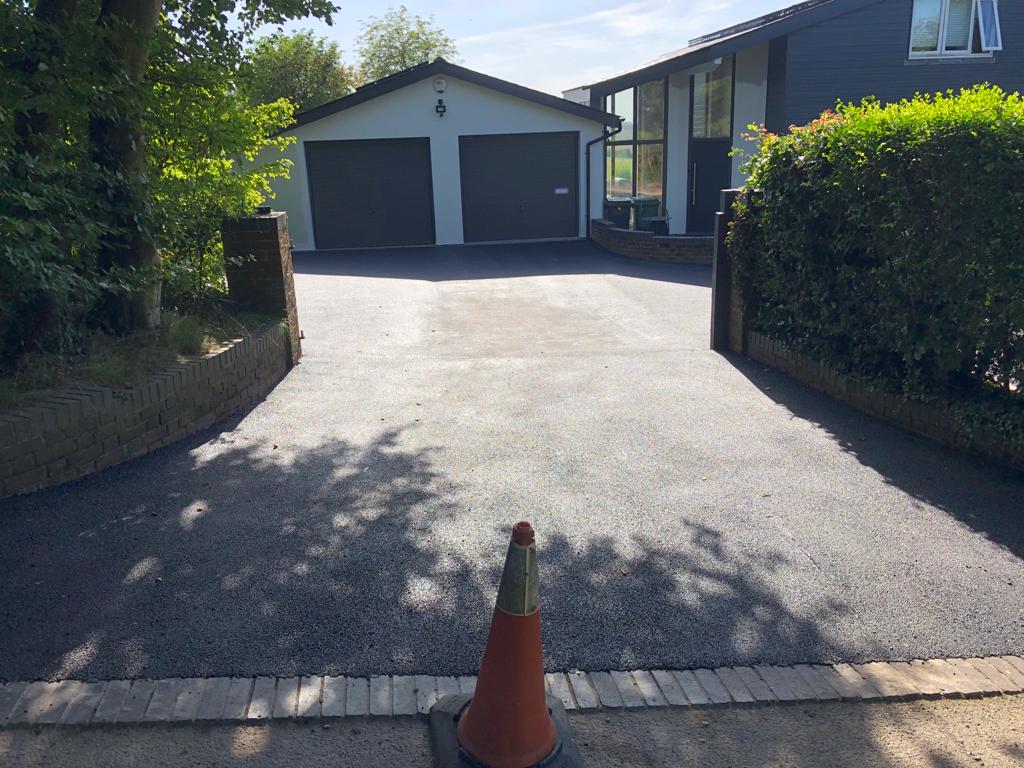
Asphalt is often associated with residential driveways, yet its most important role is found on roads, access routes, and high-use surfaces. There is a clear reason asphalt is trusted for these demanding environments. In Southport, where surfaces must cope with regular traffic, varied weather conditions, and ongoing use, asphalt continues to be the preferred choice for long-lasting road construction and surface upgrades.
Understanding why asphalt performs so well on roads helps explain its value far beyond domestic applications.
Designed to Handle Constant Traffic Loads
Roads experience continuous pressure from vehicles of varying weights and sizes. Asphalt is engineered to distribute these loads evenly across the surface and base layers, reducing stress points that can lead to cracking or deformation.
Its flexible structure allows it to absorb movement and vibration without failing, which is why it performs reliably on roads where rigid materials may struggle over time.
Built for Durability in Changing Conditions
One of the key reasons asphalt is used on roads is its ability to adapt to environmental changes. Temperature variations, surface moisture, and ground movement can all affect road performance. Asphalt responds well to these conditions by flexing rather than fracturing, helping maintain surface integrity.
In Southport, this adaptability supports safer, more consistent road surfaces throughout the year.
Smooth Surfaces Improve Safety and Efficiency
Road surfaces must provide predictable grip, evenness, and drainage. Asphalt delivers a smooth, uniform finish that supports vehicle control and reduces surface noise. Its texture also allows for effective water runoff, helping minimise pooling and surface wear.
These characteristics make asphalt ideal for roads where safety, visibility, and reliability are essential.
Easier to Maintain Over Time
Roads require ongoing maintenance to remain functional. Asphalt surfaces are well suited to staged repairs and surface upgrades, allowing sections to be restored without compromising the surrounding area. This makes long-term surface management more practical and less disruptive.
Rather than requiring complete replacement at the first sign of wear, asphalt roads can be maintained strategically to extend their service life.
Why Roads Demand More Than Driveways
While driveways benefit from asphalt’s clean finish and strength, roads place far greater demands on surface materials. The fact that asphalt is used on roads highlights its capacity to perform under sustained pressure, high usage, and exposure to the elements.
Choosing asphalt is not about appearance alone, but about selecting a surface material proven to deliver performance where it matters most.
Conclusion
Asphalt is used on roads for a reason. Its strength, flexibility, safety performance, and maintainability make it one of the most reliable surfacing solutions available. These same qualities also translate into high-quality results for access roads, shared surfaces, and large-scale applications in Southport.
Southport Surfacing Solutions delivers professional asphalt and bitumen surfacing designed for real-world conditions. If you are considering a surface built to perform beyond basic driveway use, a professional assessment is the first step towards a durable and dependable result.
Call us on: 07 3113 9392
Click here to find out more about Southport Surfacing Solutions
Click here to complete our contact form and see how we can help with your driveways.