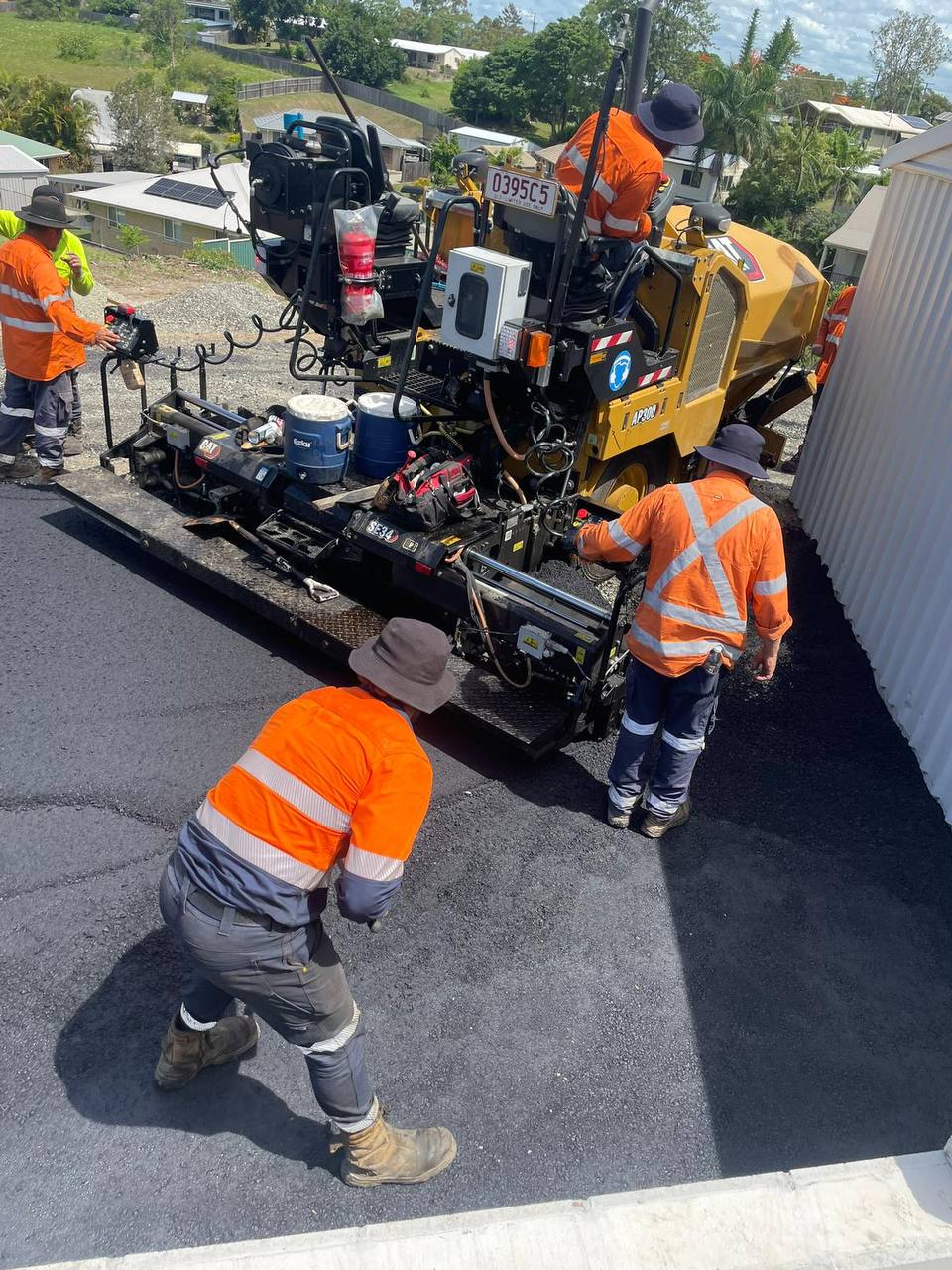
Asphalt surfacing is a practical choice for creating durable, smooth and functional outdoor areas. It is commonly used for residential driveways, access roads, parking areas and commercial spaces where a reliable surface is needed for regular vehicle movements. When properly designed and installed, asphalt can provide a neat finish while supporting the everyday demands placed on a property.
For property owners in Southport, Queensland, choosing the right asphalt surface involves more than considering its appearance. Ground conditions, drainage, expected traffic and the quality of the supporting base all influence how well the finished surface performs. Understanding these factors can help you make an informed decision for your property.
What Is Asphalt Surfacing?
Asphalt surfacing is created by combining mineral aggregates with a bituminous binder to form a compacted pavement material. The mixture is laid over a prepared foundation and compacted to produce a continuous surface suitable for vehicle access and other applications.
The precise asphalt mix and pavement construction depend on the intended use. A residential driveway may have different requirements from a commercial access area or a space that experiences frequent heavy vehicle movements.
A successful installation begins with assessing the site and selecting a suitable construction method. The visible asphalt layer is only one part of the finished pavement; the supporting base and ground preparation are equally important to its long-term performance.
Key Benefits of Asphalt Surfacing
Durability for Everyday Use
Asphalt is designed to accommodate regular vehicle traffic when the pavement is correctly specified and installed. It can be suitable for driveways, parking areas and access routes that need to withstand repeated use.
Its performance depends on factors such as the strength of the foundation, material quality, drainage and the loads placed on the surface. Poor preparation or unsuitable construction can lead to premature cracking, rutting or settlement.
A Smooth and Practical Finish
One of the main advantages of asphalt is its relatively smooth, continuous finish. This can make vehicle access and manoeuvring more convenient while creating a tidy appearance around residential and commercial properties.
The dark surface also provides a simple, consistent look that works well in functional outdoor areas. Neat edges and well-planned transitions to adjoining surfaces help complete the overall result.
Straightforward Routine Maintenance
Asphalt can be relatively easy to maintain when its condition is monitored regularly. Removing debris, checking for cracks and addressing drainage problems can help prevent minor defects from developing further.
Where damage occurs, the appropriate repair depends on its cause and severity. Surface deterioration caused by a deeper foundation problem may require more than a simple patch, which is why investigating recurring defects is important.
Common Applications of Asphalt Surfacing
Asphalt can be used across a range of residential and commercial settings, provided the pavement is designed for the intended traffic and site conditions.
Residential driveways: Asphalt provides a practical surface for household vehicles, parking and access to garages. Proper grading and drainage help manage water and support reliable everyday use.
Commercial parking areas: Businesses may use asphalt for customer and staff parking where a continuous, functional surface is required. The pavement design should reflect expected traffic volumes, vehicle types and turning movements.
Access roads and internal driveways: Asphalt can provide a consistent route for vehicles travelling between entrances, buildings and parking areas. Adequate foundation strength is particularly important where traffic is frequent.
Service and operational areas: Some commercial properties use asphalt in areas that accommodate deliveries or routine vehicle access. These applications need careful assessment because heavier loads and repeated turning can place additional stress on the pavement.
Choosing the right asphalt construction for each application helps ensure the surface is suited to its actual purpose rather than simply its appearance.
What Property Owners Should Consider Before Installation
Before arranging asphalt surfacing, consider the following factors to help achieve a dependable result.
Ground Preparation and Base Construction
The ground must be assessed and prepared before asphalt is laid. Unstable soil, inadequate compaction or an unsuitable sub-base can contribute to settlement and cracking.
The supporting layers need to be appropriate for the site conditions and expected traffic. A sound foundation helps distribute loads and supports the asphalt surface above it.
Drainage and Surface Levels
Water should drain away appropriately rather than collecting in depressions or flowing towards buildings. Incorrect levels and persistent standing water can contribute to pavement deterioration over time.
The design should account for existing ground levels, adjoining surfaces and suitable drainage arrangements before installation begins.
Expected Traffic and Usage
Consider the types of vehicles that will use the surface, how frequently they will travel across it and whether they will turn or stop repeatedly in particular areas. These details help determine the appropriate pavement construction and asphalt specification.
Climate and Ongoing Care
Southport, Queensland, experiences warm conditions and periods of heavy rainfall. Asphalt surfaces should therefore be planned with suitable drainage, appropriate materials and proper installation practices in mind. Regular inspections can help identify developing defects before they become more extensive.
Maintaining Asphalt to Protect Its Performance
Routine checks can help extend the useful life of an asphalt surface. Keep it clear of leaves and debris, pay attention to areas where water collects and inspect for cracking, loose material or depressions.
If defects appear, arrange an assessment to establish their cause. Small surface problems may be repairable, while recurring damage could indicate an issue with the supporting layers or drainage. Addressing the underlying cause is essential to achieving a lasting repair.
Asphalt Surfacing in Southport, Queensland
Choosing an experienced surfacing contractor can help you plan a surface that suits your property’s requirements. Southport Surfacing Solutions can assist property owners in Southport, Queensland, with asphalt surfacing considerations for driveways, parking areas and other suitable access surfaces.
A careful assessment of the site, intended use, foundation and drainage helps identify an appropriate approach before work begins. This preparation is central to achieving a functional, well-finished surface.
Conclusion
Asphalt surfacing offers a durable, smooth and practical solution for many residential and commercial applications. Its performance depends on selecting the right pavement construction, preparing the foundation properly, managing drainage and carrying out timely maintenance.
If you are considering a new asphalt driveway or surfacing project, understanding these factors can help you choose a suitable solution for your property. Contact Southport Surfacing Solutions to discuss your asphalt surfacing requirements in Southport, Queensland.
Call us on: 07 3113 9392
Click here to find out more about Southport Surfacing Solutions
Click here to complete our contact form and see how we can help with your driveways.