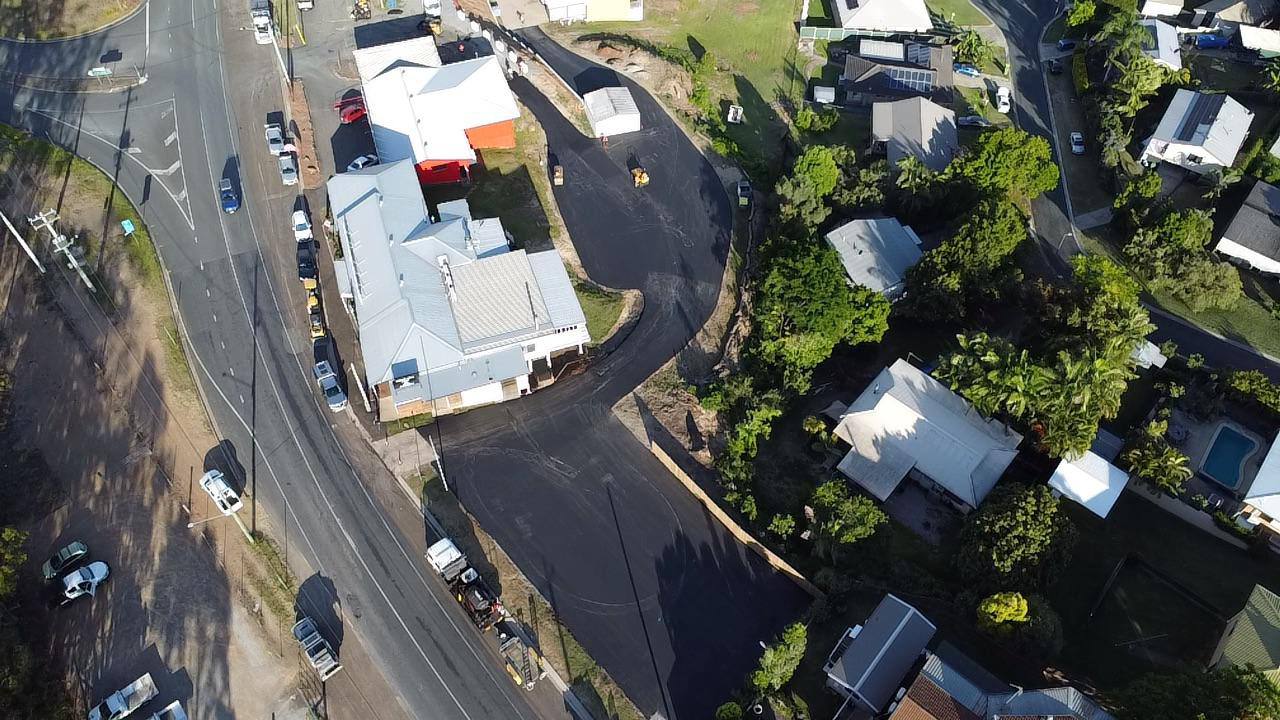
Road deterioration tends to happen gradually. A few shallow depressions, small potholes or areas of loose material may initially seem manageable, but regular traffic and water can cause relatively minor defects to develop into more widespread surface problems. Knowing when to arrange professional maintenance can make a significant difference to how well a road continues to perform.
For property owners and site managers in Southport, QLD, the right time to schedule road grading and pothole repairs is generally before surface defects begin affecting the wider pavement. Rather than waiting until access becomes difficult, monitoring changes in road condition can help identify when professional attention is worthwhile.
Why Timing Matters with Road Maintenance
Road grading and pothole repairs address different aspects of pavement deterioration.
Pothole repairs focus on damaged sections where pavement material has broken away. Grading is used to reshape suitable road surfaces, correcting irregularities and restoring levels and drainage falls.
When scheduled at an appropriate stage, these services can help:
- Prevent minor deterioration from spreading
- Restore smoother vehicle access
- Improve surface drainage
- Correct ruts and uneven areas
- Preserve usable pavement material
- Reduce ongoing deterioration
The condition of the road should guide the timing rather than waiting for a particular number of months or years.
Schedule Pothole Repairs When Damage First Becomes Established
A small surface imperfection does not always require extensive work. However, once pavement material has broken away and a defined pothole is developing, delaying repairs can allow the damaged area to expand.
Why Potholes Tend to Grow
Vehicle tyres repeatedly strike the edges of the pothole, causing additional material to loosen. Rainwater can also enter the exposed pavement and affect the supporting material beneath.
The combination of traffic and moisture can gradually turn a relatively small defect into a much larger damaged area.
Signs that pothole repairs should be considered include:
- A hole that is noticeably increasing in size
- Loose material surrounding the damaged area
- Cracking around the pothole
- Water regularly collecting inside it
- Multiple potholes beginning to appear
- Vehicles needing to avoid damaged sections
Early attention can help prevent deterioration from extending unnecessarily into the surrounding pavement.
Consider Grading When the Road Is Losing Its Shape
Grading becomes particularly useful when problems are no longer limited to individual holes.
An unsealed or granular road relies on its overall profile to provide comfortable vehicle movement and effective drainage. Traffic can gradually displace material and create ruts, depressions and corrugations.
Signs the Road Profile Needs Attention
Professional grading may be appropriate when you notice:
- Pronounced wheel ruts
- Corrugations across traffic lanes
- Uneven sections throughout the road
- Material accumulating along the edges
- Depressions holding water
- Increasingly uncomfortable vehicle movement
Rather than filling each low point independently, grading allows a larger section of the road to be reshaped as a complete surface.
After Heavy Rain Is a Good Time to Inspect the Road
Wet conditions can reveal weaknesses that are difficult to identify when the road is dry.
After significant rainfall, inspect the surface for changes such as standing water, erosion, soft areas and newly developing potholes.
Water collecting repeatedly in the same locations may indicate that the road profile is no longer draining effectively.
Do Not Grade Severely Saturated Material Without Assessment
Although wet weather can reveal drainage problems, that does not mean grading should automatically begin while the pavement is saturated.
Working excessively wet or unstable material can potentially cause further disturbance. The condition of the pavement should be assessed so work can be scheduled when the material is suitable for reshaping and compaction.
The aim is to use rainfall as an opportunity to identify problems, not simply as a trigger for immediate grading.
Schedule Maintenance Before Potholes Become Widespread
One pothole may represent an isolated failure. Numerous potholes across the same road can indicate a broader pavement problem.
If new defects are appearing faster than individual repairs can keep up, it is worth assessing the complete surface.
At this stage, the appropriate work might include a combination of:
- Localised pothole repairs
- Grading
- Additional pavement material where required
- Compaction
- Drainage improvements
- Preparation for future asphalt or bitumen resurfacing
Treating the road as a complete pavement can produce a more practical outcome than repeatedly addressing symptoms one at a time.
Rutting Should Be Addressed Before It Controls Drainage
Ruts are more than an inconvenience for drivers. Deep wheel paths can begin directing water along the road rather than allowing it to leave the traffic surface.
This can concentrate moisture in already worn areas and encourage further erosion or softening.
If wheel ruts are becoming deeper or holding water after rainfall, professional grading should be considered.
Correct grading can restore the intended profile so water is directed away more effectively.
Watch for Changes Around Road Edges
The edges of a road can provide useful clues about its overall condition.
Water runoff and vehicle movements can gradually erode unsupported edges or push pavement material away from the main traffic area.
Warning signs include:
- Crumbling edges
- Material being pushed onto adjoining ground
- Channels developing alongside the road
- Edge potholes
- Vehicles increasingly travelling outside the intended surface
Early maintenance can help restore the usable road width and address drainage before edge deterioration progresses further.
When Should Grading and Pothole Repairs Be Done Together?
There are situations where combining grading with pothole repairs provides a more complete maintenance approach.
For example, a road may have several established potholes as well as widespread rutting and poor surface levels. Simply grading over deeper failures may not adequately repair them, while patching the potholes alone would leave the broader profile unchanged.
A professional assessment can identify which areas need specific repair before or during the grading process.
A Typical Maintenance Approach May Include
- Inspecting the existing road and drainage.
- Identifying failed or unstable sections.
- Repairing areas that cannot simply be reshaped.
- Grading the wider surface to restore the road profile.
- Correcting drainage falls where appropriate.
- Compacting the prepared pavement.
The exact process depends on the condition and construction of the individual road.
Do Not Wait Until Vehicle Access Becomes Difficult
A road does not need to become nearly unusable before professional maintenance is justified.
If drivers are regularly slowing significantly, swerving around potholes or choosing different wheel paths to avoid rough areas, the surface is already affecting normal use.
Earlier intervention provides an opportunity to work with more of the existing pavement before deterioration becomes extensive.
For commercial properties, private access areas and operational sites in Southport, QLD, maintaining predictable vehicle movement can also make the road more practical for everyday use.
Repeated DIY Repairs Can Signal It Is Time for Professional Work
Occasional minor maintenance can be useful, particularly for keeping drainage areas clear and monitoring developing defects.
However, repeatedly filling the same potholes or depressions suggests that the underlying cause has not been addressed.
If repairs continually fail, consider whether the road has:
- Incorrect surface levels
- Weak pavement material
- Poor compaction
- Drainage problems
- Insufficient support in particular areas
Professional grading and repair work can then focus on why deterioration keeps returning.
Is There a Best Season for Road Grading?
There is no single calendar date that is appropriate for every road.
Suitable conditions depend on the pavement material, recent weather and the work required. The material needs to be workable enough to grade effectively without being excessively wet or unstable.
For this reason, condition-based planning is more useful than simply deciding that every road should be graded at the same time each year.
Regular inspections allow maintenance to be scheduled around the actual needs of the surface.
How Regular Inspections Help with Timing
You do not need to wait for obvious failure before checking a road.
Periodic inspections can focus on:
- Pothole development
- Cracking
- Wheel ruts
- Corrugations
- Standing water
- Drainage paths
- Surface erosion
- Loose or displaced material
Comparing the road’s condition over time makes it easier to recognise when deterioration is accelerating.
The Best Time Is Often Before the Next Stage of Damage
A useful maintenance principle is to act while the problem is still appropriate for the proposed treatment.
Grading works best where there is suitable pavement material available to reshape and stabilise. Pothole repairs are more manageable when damage remains localised. If deterioration progresses into significant base failure, additional preparation may become necessary.
This makes early assessment particularly valuable.
When Grading May Be Preparation for Resurfacing
Not every road will remain an unsealed or granular surface indefinitely. In some cases, grading forms part of the preparation for asphalt or bitumen resurfacing.
Before a new surface is installed, the existing pavement needs appropriate:
- Levels
- Stability
- Compaction
- Drainage
- Structural support
Potholes and failed sections should also be addressed rather than simply covered.
At Southport Surfacing Solutions, considering the condition of the entire pavement helps determine whether maintenance grading is sufficient or whether further surfacing work should be considered.
Professional Road Maintenance in Southport, QLD
The correct maintenance schedule depends on how a road is constructed, how heavily it is used and why it is deteriorating.
Southport Surfacing Solutions assesses roads and access surfaces in Southport, QLD, before recommending grading, pothole repairs or preparation for resurfacing. This allows attention to be directed towards the actual problems affecting the pavement rather than carrying out work simply because a set amount of time has passed.
Conclusion
The right time to schedule road grading and pothole repairs is generally when defects are becoming established but before they develop into widespread pavement failure. Recurring potholes, deepening wheel ruts, corrugations, standing water, edge erosion and increasingly rough vehicle access are all useful warning signs.
Weather can also reveal underlying problems, particularly where rainfall exposes poor drainage or soft sections. However, the condition of the pavement should determine when grading itself is carried out.
For roads and access areas in Southport, QLD, Southport Surfacing Solutions can assess the existing pavement and identify whether pothole repairs, professional grading or further resurfacing preparation is appropriate. Addressing deterioration at the right stage can help preserve a safer, smoother and more dependable road surface for continued use.
Call us on: 07 3113 9392
Click here to find out more about Southport Surfacing Solutions
Click here to complete our contact form and see how we can help with your driveways.